WhatsUp Us At 0086-136-87154886 Email: info@haoyu-autoparts.com


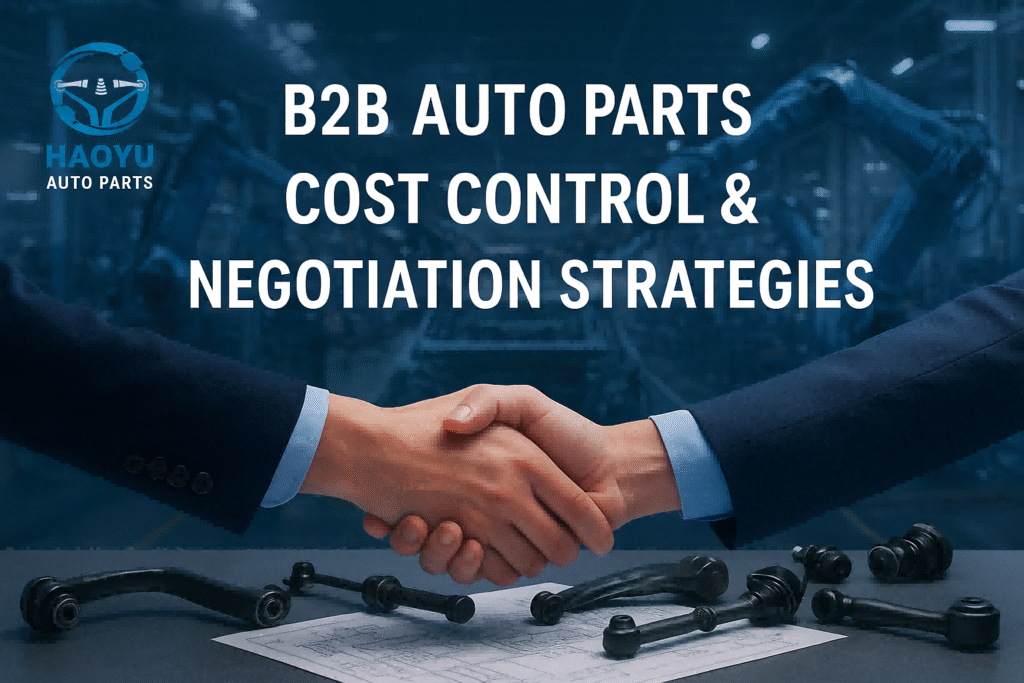
Cost Control and Price Negotiation Strategies in B2B Auto Parts Sourcing
- Lily Chen
- No Comments
Introduction
In today’s competitive automotive aftermarket, procurement managers are under constant pressure to reduce costs while maintaining quality and delivery reliability. For those sourcing from China, mastering cost control and price negotiation is not just a skill — it’s a key to sustainable success.
This article explores practical strategies for balancing cost, quality, and long-term supplier partnerships — with insights from HaoYu Auto Parts Co., Ltd., a trusted steering and suspension components manufacturer in China.
1. Understanding True Cost Beyond the Quotation
When sourcing automotive parts like control arms, tie rod ends, or stabilizer links, the lowest quotation doesn’t always mean the lowest total cost.
Buyers should evaluate:
- Material quality and durability (e.g., forged steel vs. cast iron)
- Production precision (tolerance in microns, machining accuracy)
- Logistics and packaging costs
- After-sales and warranty support
Pro Tip: A slightly higher unit price from a quality supplier can result in lower overall operational and replacement costs.
2. Build Transparent Communication with Suppliers
Long-term cost efficiency often comes from supplier trust and transparency.
Open discussions about target prices, production volumes, and expected delivery schedules allow suppliers to optimize material sourcing and production planning — reducing costs for both sides.
HaoYu Auto Parts encourages proactive communication to help buyers achieve consistent pricing stability and quality assurance.
3. Benchmark and Diversify Supplier Options
Professional buyers should maintain a benchmark database comparing:
- Prices by region or supplier scale
- Certifications (ISO/TS 16949, IATF 16949)
- Lead times and MOQ (Minimum Order Quantity)
Working with both large-scale and specialized small suppliers (like HaoYu) enables buyers to balance flexibility, innovation, and pricing leverage.
4. Focus Negotiations on Win-Win Value
Effective negotiation isn’t about squeezing the lowest price — it’s about achieving mutual value:
- Discuss payment flexibility (e.g., 30/70, L/C)
- Explore long-term contracts to lock in pricing stability
- Request technical upgrades (e.g., improved bushings, corrosion coating) as part of value-added cooperation
Buyers who emphasize long-term collaboration often receive better priority in lead times and R&D support.
5. Leverage Data and Market Trends
Smart buyers use market intelligence and trend data to time their purchases strategically.
Tracking raw material prices (steel, rubber, aluminum) and logistics costs can inform the best time to negotiate or place bulk orders.
Conclusion
Cost control in B2B auto parts sourcing isn’t just about price — it’s about optimizing the entire value chain.
By combining strategic negotiation, transparent partnerships, and informed decision-making, procurement managers can achieve both savings and reliability.
HaoYu Auto Parts Co., Ltd. stands ready as your trusted partner in delivering consistent quality steering and suspension components with competitive pricing and responsive support.
MORE BLOG POSTS
Top Hubei NEV Chassis Parts Manufacturers List 2025 — Verified by HaoYu Auto Parts Co., Ltd.
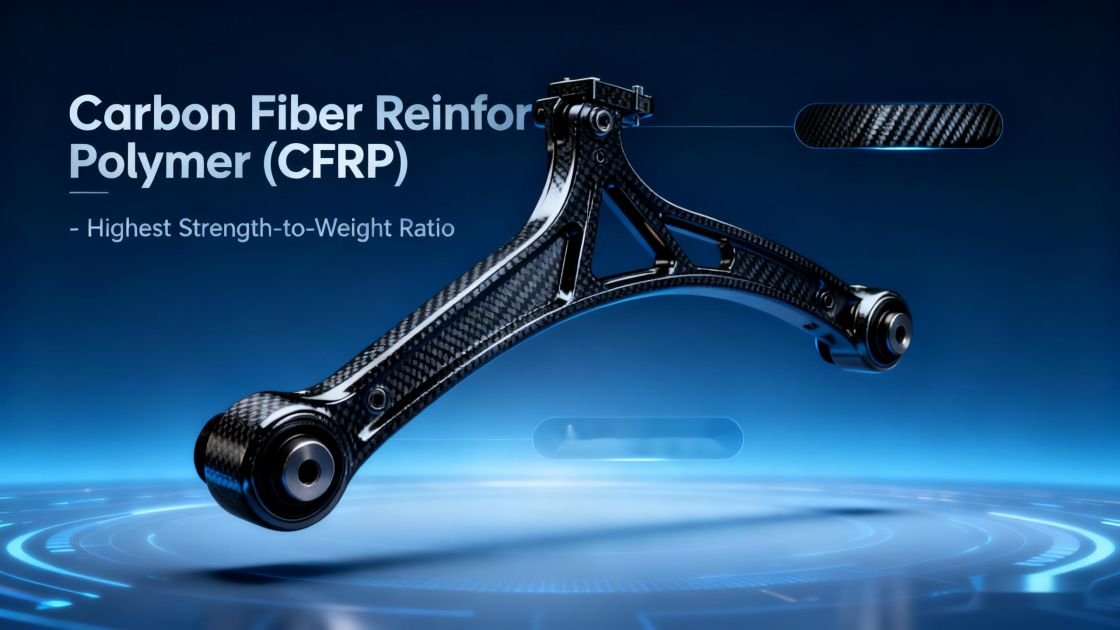
The Rise of Lightweight Materials in Steering and Suspension Components